iPhone 17 Review: Is It Worth Buying in 2026?

The iPhone 17 arrives in 2026 as Apple’s latest mainstream flagship, aimed at buyers who want a familiar iPhone experience with enough refinements to feel meaningfully newer than older models. It is not a radical redesign, and that is part of the appeal. Apple has clearly focused on the details that matter most in everyday use: smoother performance, improved battery confidence, better camera processing, and a more polished software experience. For long-time iPhone users, that means less friction. For Android users considering a switch, it means a premium phone that is easy to trust and easy to live with.
So, is it worth buying in 2026? The short answer is yes for many people, but not for everyone. The iPhone 17 is the kind of phone that makes a strong case through consistency rather than shock value. If you want a device that feels fast, takes reliable photos, integrates cleanly with Apple services, and should remain supported for years, it is an attractive choice. If you already own a recent iPhone Pro model, though, the upgrade may feel incremental rather than essential.
Introduction
The iPhone 17 is best understood as Apple’s do-it-all premium phone for mainstream buyers. It is designed for people who want a polished everyday device for messaging, photography, social media, streaming, work apps, and casual gaming without stepping up to a more expensive Pro model. It also appeals to buyers who care about long-term software support, resale value, and a smartphone that simply works with minimal setup headaches.
In 2026, the competition is stronger than ever. Android flagships from Samsung, Google, and others offer aggressive charging speeds, bold camera features, and strong AI tools. Yet Apple still has an advantage in consistency, ecosystem integration, and long-term ownership experience. The iPhone 17 fits squarely into that formula, making it one of the safest premium phone purchases of the year.
Key Features
Refined Design and Bright Display
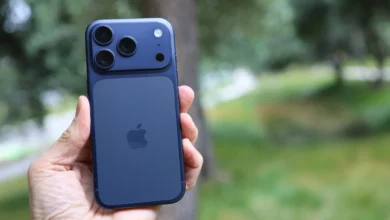
The iPhone 17 continues Apple’s tradition of understated industrial design. It feels premium in the hand, with clean edges, tight build quality, and a finish that resists the cheap feel that some phones can have when they chase flashy materials. It is the kind of device that looks appropriate in a boardroom, a classroom, or a coffee shop. The design is not trying to impress with gimmicks. Instead, it focuses on balance, symmetry, and durability.
The display is one of the biggest everyday wins. Scrolling through apps, reading text, watching video, and checking maps all feel clear and fluid. Brightness is strong enough for outdoor use, which matters more than many shoppers realize. If you take photos on a sunny afternoon, navigate on foot, or use your phone at a terrace cafe, visibility stays dependable. Color accuracy is also excellent, so content looks natural rather than artificially saturated. For media consumption, the screen is a major strength.
Fast Performance and Smooth Multitasking
Apple’s silicon remains one of the main reasons people buy an iPhone, and the iPhone 17 benefits from that advantage. Everyday tasks open instantly, apps switch quickly, and the phone rarely feels stressed unless you push it with heavy gaming, editing, or long camera sessions. That speed is not just about benchmarks; it is about how little waiting you do across a normal day. It keeps the phone feeling premium even after hours of use.
For practical scenarios, this matters a lot. If you are jumping between email, Slack, a browser, music, and navigation on a busy workday, the phone stays responsive. If you are editing clips for social media or making quick photo corrections before posting, the experience is smooth and low-friction. The only buyers who may wish for more are users who routinely compare every frame rate and thermal detail with the latest Android flagships, where some rivals push even more aggressive raw specs or faster charging.
Improved Camera Reliability
The iPhone 17 camera system is not about wild overprocessing or extreme zoom headlines. Its strength is consistency. In good daylight, photos come out sharp with accurate colors and balanced exposure. Skin tones look believable, which matters when you are taking portraits of friends, family, or coworkers. In low light, Apple’s processing helps preserve detail while keeping noise under control, so night shots are usable more often than not without a lot of manual tweaking.
Where the iPhone 17 stands out most is in everyday capture. It is the kind of camera you can pull out quickly and trust. That matters for travel snapshots, restaurant photos, concerts, and spontaneous moments that would be ruined if the phone took too long to focus or processed images inconsistently. Video is another strength, with smooth stabilization and strong color handling. If you record school events, short-form content, or family memories, the iPhone 17 offers a very dependable experience.
That said, photographers who want maximum creative control may still prefer a Pro model or an Android competitor with more aggressive zoom or manual tools. The iPhone 17 is excellent for most users, but it is not trying to be the most technically ambitious camera phone on the shelf.
Battery Life and Charging
Battery life is one of the most important reasons a phone feels good in daily life, and the iPhone 17 does well here. For typical mixed use, it should comfortably get most people through a full day of messaging, browsing, video, and light gaming without panic charging. That gives the phone real-world dependability, especially for commuters and travelers who do not want to hunt for an outlet every afternoon.
It is also reassuring in situations that drain weaker phones quickly, such as using navigation for long drives, taking lots of photos at an event, or streaming video on cellular data for hours. The battery does not necessarily beat every Android rival on absolute endurance, but it is solid enough that most buyers will not find it limiting.
Charging, however, remains a more mixed story. Apple continues to improve convenience, but it still does not chase the ultra-fast charging numbers that some competitors advertise. If you are the type of user who likes plugging in for a short time and getting a huge battery jump, Android alternatives may feel more convenient. The iPhone 17 is good, but not class-leading, in this area.
iOS and the Apple Ecosystem
One of the iPhone 17’s biggest strengths is the software experience. iOS remains easy to understand, polished, and stable, and Apple’s ecosystem still makes the phone especially compelling if you already own other Apple devices. AirDrop, iMessage, FaceTime, shared photos, Apple Watch pairing, and Mac continuity all reduce friction in daily life. A task like copying something on your phone and pasting it on your laptop feels almost effortless.
Apple’s growing intelligence features and on-device processing also make the system feel more helpful, especially for search, writing assistance, summaries, and photo organization. The value of these tools depends on your habits, but for many users they quietly save time rather than announcing themselves loudly. That is a very Apple-like approach: make the phone feel more useful without making the interface feel cluttered.
The downside is that iOS still feels more closed than Android. If you like deep customization, broader app sideloading options, or complete control over home screen behavior, you may find Apple restrictive. For some people that is a drawback; for others it is exactly why the phone feels organized and secure.
Pros and Cons
Pros
The iPhone 17’s biggest advantage is how complete it feels. The hardware is premium, the display is excellent, the camera is reliable, and the software experience is still among the smoothest in the industry. It is also likely to hold its value well over time, which matters if you upgrade often or plan to resell it later. Buyers who live inside the Apple ecosystem will especially appreciate how little effort it takes to make the phone part of a larger workflow.
Another strong point is trust. You can hand the phone to someone who is not very technical and know they will probably understand it within minutes. Parents, students, professionals, and creators all tend to find the iPhone straightforward to use. That broad usability is one reason iPhones remain so popular year after year.
Cons
The biggest downside is price. The iPhone 17 is still expensive, and the cost rises quickly once you increase storage. For buyers who need a lot of local space for video or offline media, the base configuration may feel limiting, pushing them into a more expensive tier. This is especially frustrating because storage upgrades on iPhones often feel overpriced compared with the actual jump in utility.
It also does not reinvent the experience enough to satisfy people who want a dramatic upgrade year after year. If you already have a recent iPhone, especially one from the last generation or two, the differences may feel subtle in day-to-day life. Some Android competitors also offer faster wired charging and more adventurous hardware features, so spec-focused shoppers may feel that Apple is still playing it safe.
User Experience
Using the iPhone 17 feels calm, fast, and predictable in a good way. There is very little cognitive overhead. You unlock the phone, the interface appears instantly, and everything from typing to scrolling to switching apps feels well tuned. It is the kind of phone that does not make you think about the phone much, which is often the highest compliment you can give a smartphone.
In daily scenarios, that polish becomes obvious. On a morning commute, maps stay readable and notifications are easy to manage. During work, app switching feels seamless, and the phone rarely gets in the way of staying productive. At night, the camera is quick enough for spur-of-the-moment photos without a struggle. Even small details, such as haptic feedback, speaker quality, and Face ID convenience, contribute to a sense that the phone is built to reduce annoyance.
There are some trade-offs, though. If you want extreme customization, you may feel boxed in by iOS. If you are someone who often needs a charge in the middle of the day, faster-charging Android phones might suit you better. Still, for most people, the iPhone 17 feels like a device that gets the basics exactly right and then layers on a few premium touches.
Comparison
Compared with the iPhone 16, the iPhone 17 is best seen as a refinement rather than a revolution. Buyers upgrading from the previous generation will notice improvements in polish, camera consistency, battery confidence, and possibly display or AI-related enhancements depending on the configuration. But the leap is unlikely to feel huge unless you are especially sensitive to the small differences that make a phone feel fresh.
Against the iPhone 17 Pro, the standard iPhone 17 will usually make more sense for value-conscious buyers. The Pro model tends to bring the more advanced camera system, stronger materials, and features aimed at power users. If you shoot a lot of content, care about zoom performance, or want the most feature-rich iPhone, the Pro is the better fit. If you want most of the experience for less money, the iPhone 17 is easier to justify.
Compared with the latest Android flagships, the iPhone 17 wins on ecosystem integration, resale value, and software consistency. Android rivals may offer more flexible customization, faster charging, or more aggressive hardware features. A Samsung Galaxy or Google Pixel can be the better choice if you prioritize those things. The iPhone 17 is the better pick if you want a simpler, more predictable premium phone that will stay supported and familiar for years.
Who Should Buy This
The iPhone 17 is a strong choice for iPhone users coming from older models, especially anyone using an iPhone 14, 13, or earlier. If your current phone has weaker battery health, slower performance, or a camera that no longer keeps up with your daily needs, the upgrade will feel meaningful. It is also a great fit for students, parents, professionals, and casual creators who want a dependable device without having to learn a new operating system.
It is especially suitable for people already invested in Apple services and accessories. If you own an Apple Watch, MacBook, AirPods, or iPad, the iPhone 17 becomes more valuable because the ecosystem works together so well. On the other hand, if you are a power user who loves customization, extreme charging speed, or zoom-heavy photography, you may be happier with a top Android phone or the iPhone Pro line.
Value for Money
The iPhone 17 is not cheap, but value for money is not only about the upfront price. It is also about how long the phone stays useful, how well it performs over time, and how much frustration it saves. On those terms, the iPhone 17 is strong. It offers long software support, dependable hardware, excellent resale prospects, and a user experience that stays smooth for years rather than months.
That said, the value calculation changes depending on what you already own. If you are upgrading from a much older phone, the iPhone 17 feels worth the money because the improvement in speed, battery life, and camera quality is substantial. If you already have a recent iPhone, the financial case is weaker, since the upgrades are more evolutionary than transformative. In that situation, waiting another generation may be smarter unless your current device is already holding you back.
My honest opinion is that the iPhone 17 is worth buying in 2026 for most people who want a premium, reliable iPhone and plan to keep it for several years. It is not the most exciting phone on the market, and it does not try to be. But it is one of the most complete. If you value smooth performance, a dependable camera, strong battery life, and the Apple ecosystem, this is an easy recommendation. If you already have a recent Pro model, though, you can probably skip it without missing much.