
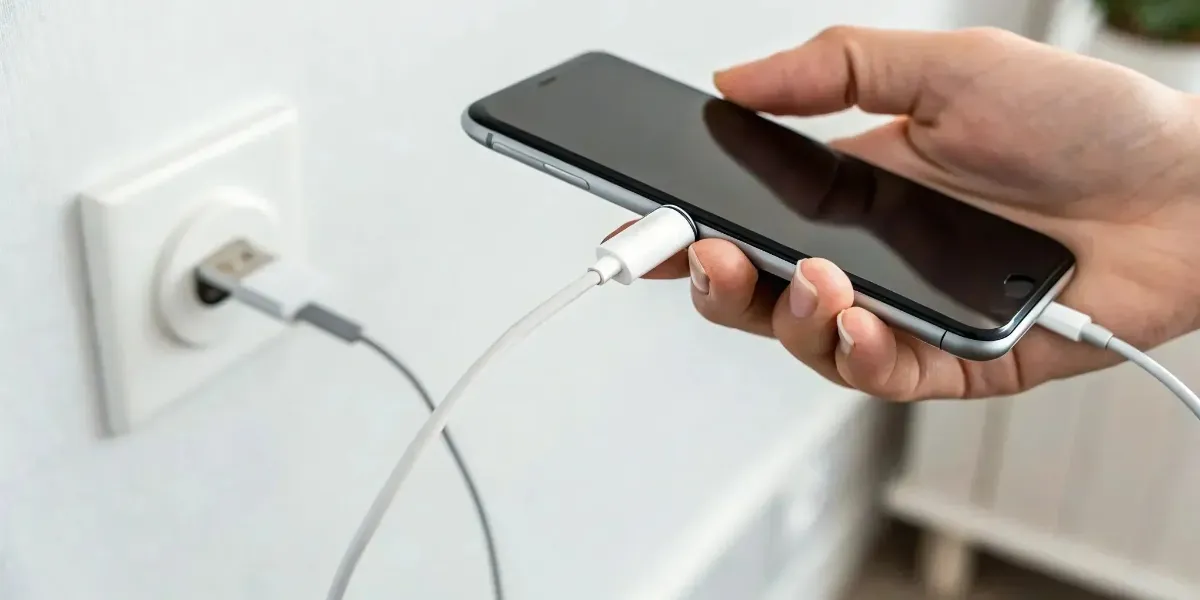
Every night, you plug in your phone, never really questioning if your charger’s up to the task. You just expect it to power up your device safely so you’re ready for the day. But here’s the thing: what if your charger isn’t the real deal? Counterfeits are sneaky—they can look almost exactly like the original, with similar branding, packaging, and even price. The catch? Inside, they’re missing the safety features and quality your phone relies on. That can mean anything from your battery wearing out fast to the charger actually damaging your phone. In the worst cases, fake chargers have caused fires and even shocks. The upside is, you don’t need to be an engineer to tell the difference. With a handful of easy checks, you can spot a fake before it messes up your device.
Why fake chargers are such a problem
There are so many counterfeit chargers out there because they’re cheap to churn out and easy to push online or in sketchy shops. But the savings come with a heavy price. These fakes usually skip essentials like overvoltage protection, reliable heating control, or even proper insulation. The result? Hit-or-miss power, overheating, or the thing just breaking down on you.
Real chargers from companies like Apple or Samsung aren’t just expensive for fun. They have to meet strict safety standards worldwide. Counterfeits almost never do. Most of them use cheap parts that fall apart in no time, which hurts your battery, makes charging unpredictable, or stops your phone from charging completely.
Some counterfeits have actually started fires at home. The U.S. Consumer Product Safety Commission ranks bogus electronics among the top causes of electrical house fires. Your phone is more than a piece of tech—it’s your link to the world. Protecting it starts with the charger you use.
How to tell a fake charger from the real thing: 7 quick clues
Fakes aren’t always obvious. Some look legitimate at first glance. But they usually slip up somewhere. Here’s what you should watch out for:
1. Flimsy build and cheap materials
A real charger feels solid—good plastic, firm cables, connectors that fit perfectly. Fakes feel kinda light and fragile. The plastic might be shiny in a cheap way or have rough seams. The cable could be so thin that it feels like it’ll break if you twist it a bit. Real ones have thicker, more flexible cables that survive daily use.
2. Branding that’s… off
Sometimes the branding is a dead giveaway—maybe it says “Samsong” instead of “Samsung,” or the Apple logo just looks weird. Sharper eyes will catch uneven letters or blurry printing. Real ones always get the details right. Fake ones cut corners, and the mistakes are right there if you look closely.
3. No real safety marks
Authentic chargers always have proper certification marks—like CE, FCC, or UL. That means they passed real-world safety tests. Some counterfeits stick these on, but they look sloppy or are missing details, like the country code. You can even check certification numbers online, especially for UL. If you think the mark looks off, trust your gut.
4. Suspiciously cheap price
If the price is much lower than what you’d expect at a store, run the other way. Trusted brands keep their prices consistent. If you spot an official Apple charger for $9 when it’s $29 everywhere else, chances are, it’s fake. Counterfeiters want to hook you with a “deal.”
5. Packaging that doesn’t look right
Real chargers come in neat, sturdy packaging with clear printing. If the box is flimsy, the print is blurry, or a barcode is missing, that’s a sign. Misspelled words or messy layouts? Red flag. Genuine products also throw in extras like user manuals or warranty cards. If those are missing, ask yourself why.
6. Lousy charging
Maybe the charger looks fine, but it’s slow. Or your phone gets hotter than normal. Or you see weird errors like “This accessory might not be supported.” Real chargers just work—smooth and reliable. If something feels off every time you charge, don’t ignore it.
7. No serial number
Genuine chargers have clear model or serial numbers—usually printed cleanly on the device—so you can check against the manufacturer’s website. Fakes tend to skip this altogether, or the numbers look sloppy or unreadable. If you can barely make out the text, it’s not authentic.
Where to get chargers you can trust
Your safest bet is to buy directly from the brand or an official retailer. That means the Apple Store, or an authorized electronics shop. Online marketplaces can be sketchy—unless the seller is verified. Reviews can help; read what buyers say about authenticity. Be careful with “new” or “unboxed” chargers sold crazy cheap—those are often fakes.
If you’re ever in doubt, buy from the brand’s own website. It costs a bit more, but you know what you’re getting.
What to do if you already bought a fake
If you realize your charger isn’t the real thing, stop using it right away. Every charge risks frying your phone or even your house. Don’t toss it with regular trash—most big electronics shops recycle these safely, or you can ask your local waste service for advice.
If you just bought it, ask for a refund. Most reputable sellers don’t want fake goods floating around. And if you found the fake on a platform like Amazon or eBay, report the seller so others don’t get scammed, too.
Quick recap:
— Fakes might look right, but they’re often missing critical safety features.
— Bad chargers can mess up your phone, kill your battery, or even start a fire.
— Look for sketchy materials, misspelled logos, missing certifications, and rock-bottom prices.
— Get your charger from official sellers only.
— If your phone charges weirdly or shows strange warnings, assume the charger is fake.
— Dispose of counterfeits properly and alert the seller if you can.
Frequently Asked Question (FAQ)
Can a fake charger actually damage my phone?
Absolutely. They send unstable voltage, making your battery run hot, wear out, or just stop charging. Worst case? Fires or total hardware failure.
How do I check if my charger is real?
Check the build, look at the branding, verify safety certifications, and make sure there’s a legit serial number. Test how your phone charges, too. And when in doubt—buy from a trusted shop
Are all third-party chargers fake?
Nope. Brands like Anker, Belkin, and Ugreen make safe, certified chargers. The important thing is to stick with well-reviewed brands with proper safety marks. Avoid no-name chargers with shaky reputations.
Last thoughts
Your phone holds photos, messages, and your whole life, really. Skimping on a charger just isn’t worth the gamble. Knowing how to spot a fake helps you avoid unnecessary risks—and keeps your device and your home safe. So, stick with trustworthy sellers, look closely at what you’re buying, and don’t let a bargain cost you more in the end.
You—and your phone—deserve the real thing.